Suicide Prevention: Let's Talk About It
There is an idea that mentioning the word ‘suicide’ runs the risk of putting the idea in someone’s head and can lead to tragedy. What we find though, is that talking about it can help people who are struggling with their mental health and the idea of suicide feel less isolated and can give helpers a better understanding of what someone may be experiencing.
With that in mind, let’s talk about it. This month, we pulled together this collection of resources, trainings, and other material centered on suicide prevention. The collection includes information on what to do if your partner threatens suicide, a 5-step suicide assessment, supporting Tribal youth at risk for suicide, and more. As always, please don’t hesitate to contact us if you’re looking for more!

Suicide Assessment 5 Steps
SAMHSA
Updated 2024
This two-page document is a quick reference for the SAFE-T Suicide Assessment that offers a 5-step evaluation and triage. The five steps are identifying risk factors, identifying protective factors, conducting suicide inquiry, determining risk level and intervention, and documenting the information.
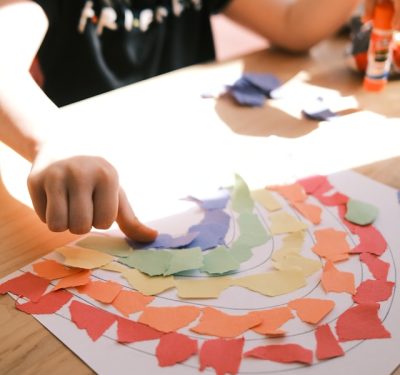
Meeting This Moment – Facilitating Suicide Prevention Workshops for Youth in School and Community Settings
NSVRC and North Carolina Coalition Against Sexual Assault
July 2025
“Suicidality is inherently alienating and isolating.”
“In this episode, Mo talks with Anole about the toolkit “Meeting This Moment: Facilitating Suicide Prevention Workshops for Youth in School and Community Settings”, why it is needed, the research that informed its creation, and how it can be used in prevention.”
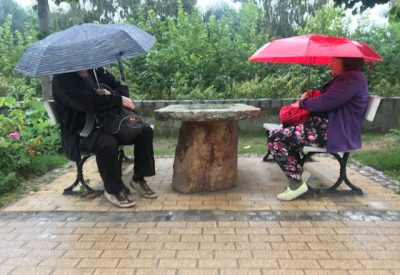
Nothing About Us Without Us: Families Supporting Recovery
SAMHSA
September 2024
Panelists discuss their own experiences supporting loved ones with mental health struggles. They share barriers and advice and what has been helpful to them and their inner strengths.

Supporting Tribal Youth at Risk for Suicide: Honoring Children, Mending the Circle
Suicide Prevention Resource Center
June 2022
This webinar discusses a cultural adaptation of the evidence-based treatment of Cognitive Behavioral Therapy to support Tribal youth who are at risk for suicide.

Time Since Exposure to Conversion Therapy and Suicidal Thoughts and Behaviors Among LGBTQ+ Young People
Trevor Project
February 2026
“A broad consensus among major medical and mental health organizations holds that conversion therapy is both ineffective at achieving its stated goals and harmful to those who are subjected to it. Indeed, LGBTQ+ young people subjected to conversion therapy are three times more likely to have attempted suicide in the past year.”

What to do if your partner threatens suicide
Love is respect
June 2025
This short web-article talks about how to offer support and care while maintaining boundaries as well as signs for recognizing when repeated threats to self are being used as emotional manipulation.
“Knowing the difference between the warning signs of suicide and a pattern of threats as a method of manipulation or abuse can help you feel more secure in setting your boundaries.”

Community Engagement
National Center on School Safety
March 2024
“In this episode, we are joined by Dr. Cynthia Ewell Foster. Our discussion focuses on youth suicide prevention methods and the importance of community engagement in preventing firearm-related injury and youth suicide. We conclude our series with a message of hope and a special recognition for educators.”

Eight Dimensions of Wellness
SAMHSA
December 2024
This webinar discusses eight dimensions of wellness and how to put them into practice with attitude, balance, and control. The eight dimensions are physical, socially, spiritually, environmentally, intellectually, emotionally, financially, occupational.
“Wellness is not the absence of disease, it’s the presence in each day we make choices.”
Looking for more resources around suicide prevention?
Looking for more resources around suicide prevention?
Check out compilations of resources from last year: “Prioritizing Prevention: Suicide Awareness Month”