Serving Every Survivor Is Important
For this month, we created a compilation of useful resources and trainings focused on advocates working with survivors in the LGBTQIA+, Military-connected, and Urban Native communities around various topics such as safety planning for natural disasters with trans/nonbinary survivors, risk assessments with military-connected survivors, working with Native Americans living in urban areas, and more. As always, please don’t hesitate to contact us if you’re looking for more!

Trauma-informed approaches to hate violence
FORGE
August 2024
This webinar discusses trauma informed care, anti-trans hate crime and violence, tools for safety and wellbeing, offers tips for assessing our own programs, and more.
Risk Assessments & Safety Planning for Military-Connected Survivors
National Crime Victim Law Institute
September 2025
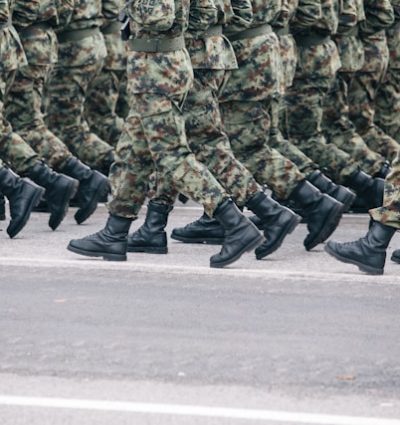
Deidra Sanina from the Air Force Advocacy Program discusses risk factors for IPV unique to military families such as geographic relocations and financial dependency, protective factors including command structure and resources, and other considerations such as PTSD and isolation. She offers tips for civilian advocates for safety planning and how the military can support that advocacy.
Goals of Advocacy in Military Justice
National Crime Victim Law Institute
September 2025
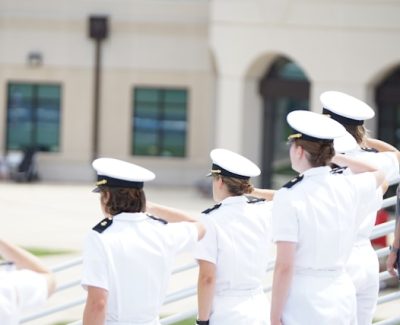
This 3-minute video talks about the goals of advocacy in military justice, which are to return the client autonomy by providing choice, to help clients return to a thriving state, and to assist clients in making informed decisions.
Victims’ Rights in Civilian and Military Justice Systems
National Crime Victim Law Institute
September 2025
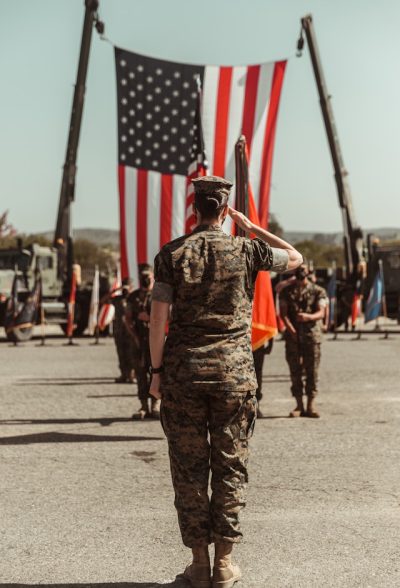
“Military-connected victims have rights within civilian and military justice systems. In some instances, these rights overlap with one another. This 35-minute video provides an overview of the rights of victims in each system and describes some of the overlap between civilian victims’ rights and military victims’ rights. It also addresses the role of victims’ rights attorneys in the assertion and enforcement of military-connected victims’ rights, as well as the role of victim advocates in connection with these rights. Check out this video to learn about victims’ rights and how victim advocates and victims’ rights attorneys can help victims tap into resources in the aftermath of a crime and navigate complex matters, such as requests for restitution in the military criminal justice system and the safe-to-report policy in connection with collateral misconduct.”

Working with Native American Victims Living in Urban Areas
Red Wind Consulting
March 2024
“Approximately 70 percent of American Indians and Alaska Natives (AIAN) live in urban areas. These individuals are commonly victims of domestic violence, stalking, sexual assault and sex trafficking—just like their relatives living on reservations. However, AIAN living in urban areas can face unique challenges when victimized by these crimes because they may lack the family ties and traditional cultural environments that are common on reservations. This webinar will address how victim advocates and other social service professionals can build a coordinated response across jurisdictional boundaries in order to better serve AIAN living in urban areas. Special attention will be paid to recent legislation like Savanna’s Act, which specifically mentions the need to partner with urban AIAN programs.”

Weathering the Storm: Safety Planning for Natural Disasters with Trans/Nonbinary Survivors
FORGE
July 2023
“Intimate partner violence and sexual violence increase during disasters. Trans/nonbinary communities have a unique set of experiences and needs related to both natural disasters and violence. In this training, we discuss safety planning with trans/nonbinary survivors for the intersection of intimate partner violence and disasters.”

Safe Leave Documentation and Confidentiality Rules
Safe Leave Working Group
April 2025
““Safe leave” refers to paid, job-guaranteed leave from work that workers may take to address the impact of domestic violence, sexual assault, dating violence, stalking, other forms of gender-based violence and harassment, or other forms of violent victimization on their lives and the lives of their family members…This document is intended to be a resource for policymakers, advocates, and stakeholders, as well as for employers seeking to improve their own policies. This document includes recommendations for when workers can be required to provide documentation for safe leave claims, and, where required, what types of documentation options should be allowed.”