Offering Support to Child Victims
We know children are particularly vulnerable to crime such as exploitation, assault, bullying, and more. April is National Child Abuse Prevention and Awareness Month, and we wanted to highlight resources that may be helpful for advocates who work with child survivors because we know that healing is possible with the right support, and that it can change the trajectory of someone’s life. That’s why, for this month, we created a compilation of useful resources and trainings focused on crimes against children and supporting those children, including resources focused on childhood abduction, reframing childhood adversity, positive childhood experiences, and more. As always, please don’t hesitate to contact us if you’re looking for more!

What About Me? Finding Your Path Forward When Your Brother or Sister is Missing: 2nd Edition
OJJDP
January 2025
This guide was written by authors who have missing siblings as it is intended for people who have missing siblings. The guide offers advice, guidance, and gentle suggestions on how to navigate various considerations such as family dynamics, working with law enforcement and media, mental health, and more.

Psychologists are reimagining how society supports children
American Psychological Association
January 2026
“Children and adolescents are growing up in a whirlwind of digital overload, climate anxiety, economic uncertainty, and social instability. In response, psychologists are leading a paradigm shift toward a preventive, whole-child approach that can better support the mental well-being of today’s youth.”
Changing the Way We Think About Childhood Adversity
National Sexual Violence Resource Center
June 2025
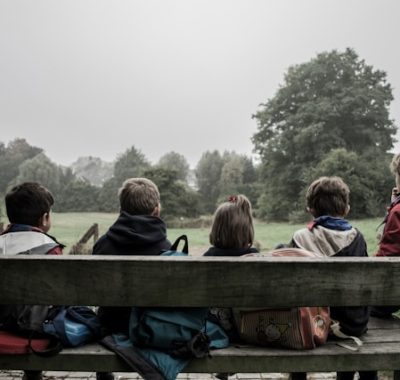
“How we think about adversity experienced in childhood matters. On this episode, NSVRC’s Laura Palumbo and Sally J. Laskey talk with Dr. Julie Sweetland, Senior Advisor at the FrameWorks Institute, about her 2021 report, Reframing Childhood Adversity: Promoting Upstream Approaches, and how it connects with our research on messages about preventing sexual harassment, abuse, and assault.”
Supporting Youth Mental Health
National Center for School Safety
April 2023
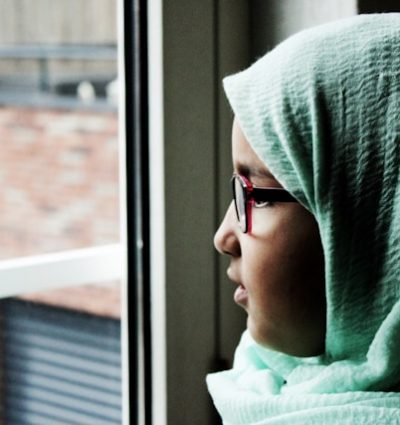
“The percentage of adolescents who experience persistent feelings of sadness or hopelessness has been on an upward trend over the last decade. In order to address these mental health challenges, increased support from schools, communities, and families is needed. This webinar features panelists from Sandy Hook Promise sharing ideas for how educators might discuss mental health with students. Tips and additional resources are also provided.”
*Article is free to watch but requires login

Family Abductions Overview
National Center for Missing and Exploited Children
2023
“A family abduction occurs when a child is taken, wrongfully retained, or concealed by a parent or other family member depriving another individual of their custody or visitation rights.” This 2-page sheet gives an overview of family abductions and ways in which NCMEC can help.
View this info sheet in English here and in Spanish here
HOPE and Child Welfare
HOPE National Resource Center
The training is intended for anyone who works in the child welfare space as well as families and community members who have engaged with Child Welfare. The Building Blocks of the HOPE framework include relationships with other children and adults through interpersonal activities; safe and nurturing environments for living, playing, and learning at home and school; social and civic engagement to develop a sense of belonging and connection; emotional growth through playing and interacting with peers for self-awareness and self-regulation. These building blocks are best supported in an environment that identifies, celebrates, and promotes access to positive childhood experiences.
View the webinar here* – free but requires login

Positive Childhood Experiences and Adult Mental Health
HOPE National Resource Center
2020
This 3-page brief explains the association between Positive Childhood Experiences (PCEs) and adult mental health. Based in research, this is an accessible and understandable brief that makes the link that, even in the presence of Adverse Childhood Experiences (ACEs), having more PCEs can help mitigate negative mental health outcomes as adults.
Looking for more resources around supporting child survivors?
Looking for more resources around supporting child survivors?
Check out compilations of resources from last year: “Child Abuse: Protective Factors, ICWA, and ACEs”